In early 2026 you can feel something familiar in the air when you scroll through feeds or talk with friends about what matters online. A decade after the mid‑2010s, digital culture is circling back in a way that feels both comforting and deliberate. People are no longer chasing the newest flash, the most polished highlight reel, or the fastest pace. Instead, many are leaning into nostalgia, simplicity, mindfulness, and intentional choices. This shift is not accidental or random. It reflects deeper changes in how we see ourselves, our habits, and the world around us. At the heart of this moment lies the underconsumptioncore aesthetic and related trends that question excess and celebrate calm, choiceful living.
This article explores why 2026 feels so much like 2016 online, how aesthetic movements like anti consumer aesthetic and slow living aesthetic are shaping culture, and why people are drawn to values like thoughtful consumption and minimal lifestyle trend. We also look at how this shift affects daily life, community, creativity, and even what we share and talk about.
The Return of Online Nostalgia
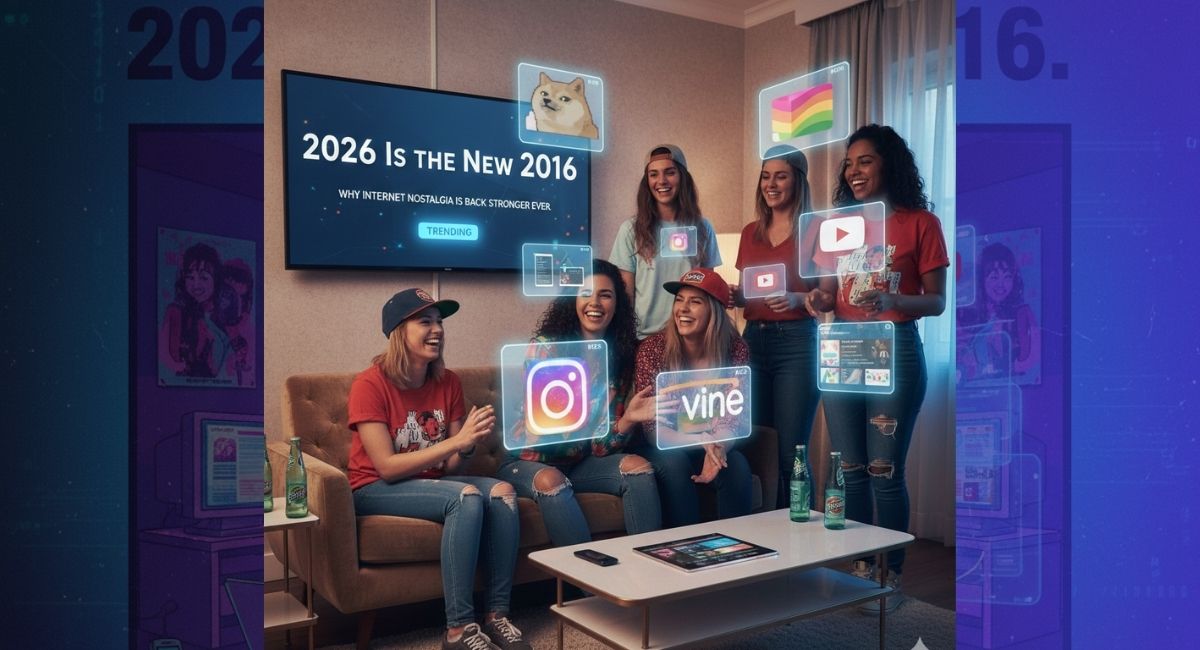
A look at the internet of 2026 shows familiar motifs: grainy photos that resemble old film, soft color palettes, text layouts that remind you of early blogs, and curated content that feels personal rather than perfected. There is less pressure to appear flawless, more room to be genuine, and greater interest in stories and visuals that remind us of simpler times.
This nostalgia goes beyond aesthetics. It taps into emotional memory. When people saw the early social web a decade ago, they often experienced it as a community of peers rather than an engine of commerce. Platforms were places to share interests, hobbies, quirky moments, and heartfelt reflections. In contrast, the past few years have seen heavy commercialization of social platforms, algorithmic intensification, and constant “performance” pressure. Many users began to feel worn out, fatigued by trends that emphasized consumption, comparison, and speed. Nostalgia became more than a longing for visual style. It became a refuge and a framework for what people want now: meaning, calm, connection.
What Underconsumptioncore Aesthetic Really Means
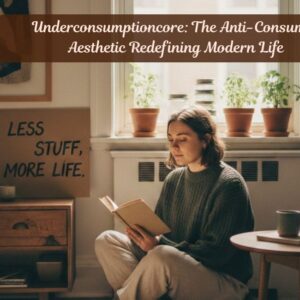
At the center of this cultural pivot is the underconsumptioncore aesthetic. This aesthetic is not just about visuals; it is about a mindset that places value on less material consumption, slower rhythms, intentional choices, and attention to quality over quantity.
Underconsumptioncore aesthetic rejects the idea that value lies in constant purchasing, upgrading, or following the next big thing. Instead it embraces what is sufficient, what feels real, and what brings satisfaction without excess.
In practice, this shows up as:
- Content that highlights everyday moments rather than extravagant experiences
- Appreciation for older items, worn textures, and items with history
- Sharing of mindful consumption quotes that encourage reflection rather than accumulation
- Style choices that favor simplicity, durability, and personal meaning
- Creative work that focuses on personal voice, not trends for clicks
Anti Consumer Aesthetic and Cultural Shift
Closely connected to underconsumptioncore aesthetic is the anti consumer aesthetic. This trend is not about rejecting goods entirely, but about questioning the premise that more things make life better.
The anti consumer aesthetic shows itself in many ways. People curate digital feeds that celebrate thrifted fashion, second‑hand furniture with character, or handmade goods. Discussion threads emphasize repairing items instead of buying new. Visuals are intentionally imperfect, focused on texture and reality rather than slick branding.
This shift reflects a broader cultural awareness. Climate concerns, economic pressures, and a growing critique of corporate dominance all contribute to a desire for alternatives that feel grounded. Anti consumer aesthetic is not about scarcity or deprivation. Instead it highlights choiceful simplicity and a focus on what truly matters to the individual rather than what is marketed as “must‑have.”
Minimal Lifestyle Trend Beyond Buzzwords
While minimalism has been discussed for years, the minimal lifestyle trend in 2026 feels more nuanced and personal than in previous cycles. It is less about stark white rooms and empty shelves, and more about clarity of purpose and daily comfort.
The earliest waves of minimalism were often associated with visual austerity and conspicuous absence of possessions. Today’s minimal lifestyle trend centers around intentionality. People ask themselves questions like:
- Does this bring me satisfaction over time?
- Is this item aligned with my values?
- Will this add to calm or distract from what matters?
Minimal lifestyle trend in 2026 is less prescriptive and more reflective. It is about knowing yourself well enough to decide what matters, and being able to let go of what doesn’t. Minimal living becomes a form of personalization rather than conformity. It encourages people to curate their spaces, time, and attention in ways that resonate with their own values, not a universal standard.
Slow Living Aesthetic as Daily Practice
The slow living aesthetic goes hand in hand with underconsumptioncore aesthetic and minimal lifestyle trend. Slow living encourages people to do fewer things but with greater awareness and satisfaction.
This aesthetic has roots in older ways of life when routines were less dominated by digital urgency and constant stimulation. In 2026, slow living aesthetic shows up as a preference for:
- Walking instead of rushed commuting
- Cooking meals with intention rather than eating on the go
- Journaling moments rather than capturing every second for an audience
- Taking breaks even when productivity culture pushes speed
Slow living is not about inefficiency or laziness. It is about savoring experiences and valuing depth in whatever we do. In an era of constant digital noise, many people find peace and clarity when they slow down, notice small details, and engage more deeply with their immediate world.
Mindful Consumption Quotes and the Rise of Reflective Content
Words matter, and in 2026 we see a proliferation of mindful consumption quotes circulating online. These are phrases that encourage people to think about their habits, choices, connection to other humans, and impact on the environment. Unlike past meme culture that often focused on humor or distraction, much of this reflective content invites pause and introspection.
Mindful consumption quotes often center themes like gratitude, intentional choice, and connection over accumulation. They help shape a cultural narrative that questions mindless habits and invites personal reflection. These quotes are shared widely because they articulate feelings many people already have but haven’t expressed. They create a sense of shared understanding among people seeking balance, meaning, and thoughtful living.
How These Trends Affect Daily Life
The influence of underconsumptioncore aesthetic, anti consumer aesthetic, slow living aesthetic, and mindful consumption quotes is not limited to what people post online. It affects how people act, shop, relate to others, and plan their days.
For example, fashion choices are changing. Instead of always buying new, many people explore thrift finds, vintage pieces, or handmade clothing. This shift is not simply economic; it is a statement. Wearers feel that their choices reflect personal values, aesthetic tastes, and a resistance to fast fashion culture.
Home spaces also reflect these influences. Rooms are curated with things that bring comfort, that tell a story, or that have been kept for their beauty, not brand label. Houseplants, simple textiles, and meaningful objects often take precedence over trend‑driven décor.
Even media habits change. People choose podcasts, blogs, and visuals that feel calm, authentic, and thoughtful. They share reflective images and quotes that encourage others to slow down rather than rush forward. In many social spaces people celebrate daily rituals like reading in natural light, gardening, or enjoying tea without multitasking. These are not dramatic gestures but simple practices that reinforce presence and intention.
Aesthetic Communities Online
Online communities form around these shared values. Groups dedicated to specific aesthetics, interest in mindful quotes, or discussion of lifestyle choices create spaces where people feel understood. These communities are not about competition or comparison. They are about exchange, inspiration, and mutual encouragement.
For people in these communities, aesthetics are not shallow or superficial. They are lenses through which values, emotions, and priorities are expressed. Connecting with others who appreciate subtle moments, thoughtful design, or reflective quotes gives a sense of belonging that goes beyond surface trends.
Nostalgia and Emotional Comfort
The return to an aesthetic experience reminiscent of 2016 is not just about style. It is deeply emotional. Many people who came of age in the early 2010s carry memories of a web that felt less crowded, less commercial, and more personal. Revisiting elements of that era brings comfort in uncertain times. The past decade saw rapid change, global disruptions, economic ups and downs, and significant cultural shifts. Nostalgia provides a kind of anchor.
By embracing aesthetics that remind people of earlier online life, individuals feel connected to something familiar and grounding. This does not mean rejecting progress. It means selecting what elements of past culture continue to nourish people today.
Balancing Past and Present
One of the remarkable aspects of this cultural shift is how people balance past influences with contemporary realities. The aesthetics and habits that resemble earlier internet culture are blended with current values of sustainability, mindfulness, and critical awareness of consumer culture. Instead of fully living in the past, people borrow what feels meaningful and adapt it to today’s context.
This balanced approach makes the trend dynamic rather than regressive. It honors past emotional resonance while integrating lessons learned about consumption, mental health, community, and intention.
The Economic and Social Dimensions
These aesthetic and lifestyle trends also intersect with larger economic and social forces. As many people face financial pressure, the appeal of mindful consumption and underconsumptioncore aesthetic becomes practical as well as philosophical. Choosing quality over quantity, valuing experience over possessions, and participating in sharing economies are responses to both inner values and external conditions.
Socially, these trends encourage empathy and curiosity. Conversations about what matters move away from purely transactional thinking to relational and reflective dialogue. When people talk about mindful consumption, they often connect it to how their choices affect the planet, other workers, and broader systems. These discussions create space for more thoughtful civic engagement and personal growth.
Creativity and Personal Expression
Creativity flourishes in spaces where people feel free to express their unique voices rather than conform to pressure for rapid trends. Artists, writers, and content creators who align with underconsumptioncore aesthetic often produce work that is intimate, poetic, and grounded in real experience. This creative energy resonates with audiences who are weary of mass‑produced content and crave something with heart.
Content that feels handcrafted, personal, and reflective draws attention not because it is flashy but because it feels authentic. In this way creative communities contribute to the larger cultural shift, offering alternatives to commercialization and surface trend chasing.
Looking Ahead
As the internet culture of 2026 continues to evolve, the nostalgia for earlier digital life will likely keep informing trends, values, and conversations. What began as a yearning for simplicity has become a nuanced cultural moment that blends thoughtful living, aesthetic appreciation, community values, and reflective habits.
People are no longer satisfied with fast distractions and surface appeal. They seek content, lifestyles, and connections that feel real, intentional, and grounded. This does not mean perfection or stagnation. It means thoughtful progress, where choices are shaped by awareness and connection rather than impulse.
The return of nostalgia in digital culture is a reminder that values matter. What we share, how we live, and why we choose certain things over others have ripple effects in our communities and inner lives. By paying attention to these trends, considering mindful consumption quotes as touchpoints for reflection, and exploring aesthetics that honor personal meaning, we participate in a cultural moment that feels human, deliberate, and hopeful.
Along the way, it is worth remembering that trends arise from human experience not just algorithms. As people shape their environments, habits, and digital spaces with intention, culture becomes richer, more layered, and more meaningful. For many, the revival of this earlier internet energy offers a sense of familiarity and calm even as we look forward. And in that sense, 2026 may truly feel like a meaningful echo of 2016, not because we are stuck in the past, but because we have chosen to carry forward what felt genuine, thoughtful, and ultimately lasting.
For reflections on simplicity and expressive moments that resonate with thoughtful daily life, you can find a collection of words at this page of underconsumptioncore aesthetic reflections and related quotes.